
Sustainable building materials for homes are becoming increasingly essential in today’s construction landscape as we strive for eco-friendliness and efficiency. These materials not only contribute to a healthier living environment but also offer substantial long-term savings on energy costs. As homeowners and builders embrace sustainability, the focus shifts to innovative materials that minimize environmental impact while maximizing durability and aesthetic appeal.
From recycled metals to energy-efficient insulation, the spectrum of sustainable materials is both diverse and impactful. Understanding the benefits of these materials helps homeowners make informed choices that align with their values and financial goals, paving the way for greener living spaces.
Sustainable Building Materials for Homes
Sustainable building materials play a crucial role in reducing the environmental impact of residential construction. By utilizing eco-friendly options, homeowners can create structures that not only meet their needs but also contribute to a healthier planet. This approach prioritizes the use of resources that regenerate, minimize waste, and promote energy efficiency.Various materials are recognized for their sustainability. These include bamboo, reclaimed wood, recycled metal, and straw bales, each offering unique benefits.
Bamboo, for instance, is a fast-growing grass that can be harvested without destroying the root system, making it a renewable resource. Reclaimed wood, sourced from old buildings or furniture, reduces the need for new lumber, thus preserving forests. Recycled metal, often from old appliances or vehicles, can be remelted and repurposed, lowering energy consumption compared to producing new metal.
Role of Recycled Materials in Sustainable Building Practices
The integration of recycled materials in construction significantly reduces the demand for new resources and minimizes waste. This practice not only conserves natural resources but also lessens the energy consumption associated with manufacturing new materials. Recycled materials can include:
- Recycled Concrete: Crushed concrete can be reused as aggregate in new concrete, significantly reducing landfill waste.
- Recycled Glass: Glass can be melted down and remade into tiles, countertops, or insulation, providing a unique aesthetic while decreasing the environmental footprint.
- Recycled Plastic: Plastics can be transformed into construction materials such as insulation or even structural elements, offering durability and resistance to moisture.
Integrating recycled materials also supports the circular economy, where products and materials are continuously reused and refurbished. This shift not only mitigates waste but fosters innovation in how materials are perceived and utilized in construction.
Importance of Energy-Efficient Materials
Energy-efficient materials are vital for reducing utility costs and enhancing the comfort of homes. Using materials that provide superior insulation, for example, contributes to maintaining temperature, which in turn, lowers heating and cooling expenses. Examples of energy-efficient materials include:
- Insulated Concrete Forms (ICFs): These provide excellent insulation properties, significantly reducing energy consumption over time.
- Energy-Efficient Windows: Double or triple-glazed windows minimize heat loss in winter and heat gain in summer, therefore optimizing energy use.
- Reflective Roof Materials: These materials reduce heat absorption, lowering cooling costs by keeping indoor spaces cooler during hot weather.
Investing in energy-efficient materials not only leads to immediate financial savings but also increases the overall value of the home. Homes built with these materials often qualify for tax incentives or rebates, further enhancing their economic appeal.
Utilizing sustainable building materials and practices creates homes that are both environmentally and economically beneficial.
The Role of Real Estate Agents in Sustainable Homes
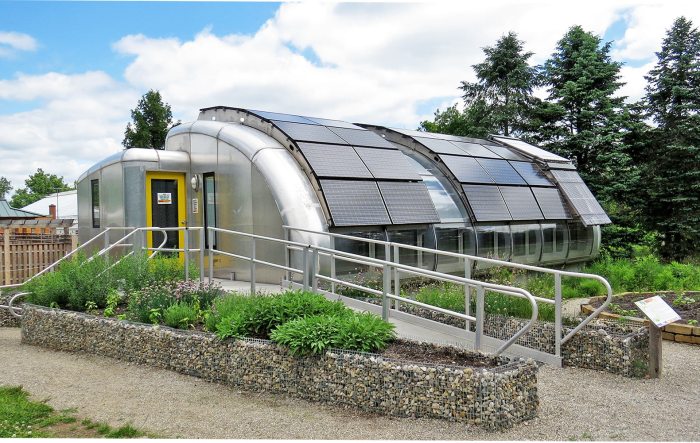
Real estate agents play a crucial role in the promotion and sale of sustainable homes. With the growing awareness of environmental issues, buyers are increasingly seeking homes that incorporate sustainable building materials and eco-friendly practices. This shift in buyer preferences presents an opportunity for real estate professionals to not only elevate their offerings but also contribute positively to environmental conservation.One of the primary responsibilities of real estate agents is to effectively communicate the benefits of sustainable building materials to potential buyers.
Sustainable materials, such as bamboo flooring, recycled metal roofing, and low-VOC paints, not only enhance the aesthetic and functional aspects of homes but also contribute to significant energy savings and reduced carbon footprints. By highlighting these benefits, agents can position sustainable homes as a desirable option in the real estate market.
Educating Clients About Green Real Estate Options
In order to successfully promote sustainable homes, real estate agents must focus on educating their clients about the green real estate market. This involves keeping up-to-date with the latest trends, technologies, and building practices in sustainability. Knowledgeable agents can provide clients with valuable insights into the advantages of sustainable homes, including improved indoor air quality, lower utility costs, and greater long-term value.To enhance client education, realtors can utilize various strategies:
- Organize workshops or information sessions focused on sustainable building practices and materials.
- Create informative brochures or digital content that Artikels the benefits of green homes.
- Engage in discussions during property showings to emphasize energy-efficient features and sustainable design elements.
Educating clients establishes trust and positions the agent as an authority on sustainable real estate, making it easier to close deals on eco-friendly properties.
Marketing Homes Built with Sustainable Materials
Effective marketing strategies are essential for promoting homes constructed with sustainable materials. Real estate agents can leverage various channels to reach environmentally conscious buyers and showcase the unique features of green homes. Consider these strategies for marketing sustainable properties:
- Utilize high-quality images and videos that showcase the sustainable features of the home, such as solar panels, green roofs, or energy-efficient appliances.
- Highlight certifications and endorsements, such as LEED (Leadership in Energy and Environmental Design), that authenticate the sustainability of the building.
- Promote the long-term savings associated with sustainable materials, including lower maintenance and energy costs, in marketing materials.
By effectively communicating the value of sustainable homes and utilizing modern marketing techniques, real estate agents can successfully connect with buyers seeking eco-friendly living options.
“The demand for sustainable homes is not just a trend; it reflects a growing commitment to environmental responsibility and a healthier lifestyle.”
Sustainable Practices in Real Estate Investing
Investing in real estate has always been a strategic way to build wealth, but the landscape is shifting towards sustainability. Properties utilizing sustainable building materials not only contribute positively to the environment but also present numerous financial advantages for investors. As concerns about climate change and resource depletion grow, the demand for eco-friendly homes and commercial properties is on the rise.Financial benefits of investing in properties with sustainable building materials are increasingly recognized.
These properties often come with lower operating costs, resulting in significant savings over time. Energy-efficient systems reduce utility bills, and sustainable materials typically require less maintenance, further enhancing the financial return on investment. Additionally, properties built with sustainability in mind can qualify for various incentives, including tax breaks and grants, which can boost overall profitability.
Comparison of Traditional and Sustainable Properties in Long-Term Value
When evaluating long-term value, sustainable properties demonstrate a distinct edge over traditional buildings. The integration of sustainable materials and practices not only aligns with market trends but also positions these properties for increased appreciation. The following points highlight key areas of comparison between traditional and sustainable properties:
- Market Demand: Sustainable homes are increasingly sought after by environmentally conscious buyers, leading to higher resale values compared to conventional homes.
- Energy Efficiency: Properties built with energy-efficient materials often experience lower operational costs, making them more attractive to potential buyers.
- Longevity and Durability: Sustainable materials, such as bamboo and recycled steel, tend to last longer, reducing the need for costly repairs and replacements.
- Regulatory Incentives: Many local governments offer incentives for sustainable building practices, enhancing the investment appeal.
- Brand Reputation: Investors and developers focusing on sustainability can boost their brand image, attracting a growing demographic that prioritizes eco-friendly choices.
Trends in Commercial Construction Focusing on Sustainable Materials
The commercial construction sector is increasingly adopting sustainable practices, recognizing the substantial benefits they bring. As industries evolve, the following trends have emerged, showcasing the shift towards sustainable materials in commercial real estate:
- Use of Recycled Materials: Many commercial projects now incorporate recycled materials, such as reclaimed wood and repurposed metals, which help reduce waste and environmental impact.
- Green Certifications: Buildings are increasingly seeking certifications like LEED (Leadership in Energy and Environmental Design), which can enhance property value and appeal to tenants.
- Smart Building Technology: The integration of smart technologies allows for better energy management, reducing consumption and enhancing tenant satisfaction.
- Biophilic Design: Incorporating natural elements into commercial spaces improves occupant well-being and can attract eco-conscious businesses.
- Water Conservation Systems: Advanced plumbing systems that promote water efficiency are becoming standard, addressing the growing concern around water scarcity.
“Sustainable properties not only contribute to a healthier planet but also enhance financial returns for investors, demonstrating that eco-friendliness and profitability can coexist.”
Ending Remarks
In conclusion, exploring sustainable building materials for homes reveals a path towards responsible living that benefits both the planet and its inhabitants. By opting for materials that reduce waste and energy consumption, homeowners can make a significant contribution to environmental preservation while enjoying the practical advantages of lower utility bills and increased property values. Embracing these practices not only enhances individual homes but also fosters a collective movement towards a sustainable future.
Clarifying Questions
What are sustainable building materials?
Sustainable building materials are those that are environmentally friendly, renewable, and contribute to energy efficiency in construction.
Why are recycled materials important in construction?
Recycled materials reduce waste, conserve resources, and lower the carbon footprint associated with new material production.
How do energy-efficient materials reduce utility costs?
Energy-efficient materials enhance insulation and reduce energy consumption, leading to lower heating and cooling bills for homeowners.
What is the role of real estate agents in promoting sustainable homes?
Real estate agents can educate buyers about the benefits of sustainable materials and market homes that utilize these practices.
Are sustainable homes more expensive than traditional homes?
While upfront costs may be higher, sustainable homes often provide long-term savings through lower energy bills and increased property value.


