
Before and after home staging examples reveal the transformative power of staging in real estate. Home staging can make a significant difference in how a property is perceived, highlighting its best features while minimizing distractions. By understanding the impact of effective staging, sellers can enhance their home’s appeal, attracting more potential buyers and achieving better sales outcomes.
This exploration dives into various successful staging projects, detailing the visual transformations that have captivated buyers. We will also analyze different staging techniques and their effectiveness in selling homes, emphasizing the importance of decluttering and depersonalizing as key strategies for making spaces inviting and appealing.
Before and After Home Staging Examples
Home staging plays a pivotal role in real estate, transforming spaces to enhance their appeal and marketability. This process often involves strategic positioning of furniture, decor choices, and overall aesthetics to create inviting environments that resonate with potential buyers. The following sections delve into specific staging projects that illustrate the significant impact of these techniques, emphasizing the transformation and effectiveness of home staging.
Successful Home Staging Transformations
One notable home staging example is a three-bedroom suburban house that had been listed for six months with minimal interest. Initially, the home presented a cluttered and personal atmosphere, filled with family photos and mismatched furniture. After staging, the property underwent a dramatic transformation. The stager removed personal items and introduced a neutral palette accented with tasteful decor. The living room was reconfigured to create a conversational layout, emphasizing space and light.
The before-and-after visuals showcased brighter, more open spaces, leading to an increase in showings and ultimately a sale at 10% above the asking price within two weeks of staging. This demonstrated how effective staging can dramatically shift buyer perception, creating a more desirable living space.
Comparative Analysis of Home Staging Techniques
Different staging techniques can yield varied outcomes in property sales. A comparative analysis of these methods highlights their respective impacts:
Vacant Home Staging
Often involves furnishing empty properties with rental furniture to create a lived-in feel. Studies show that vacant homes sell for 17% more than unstaged homes.
Occupied Home Staging
Utilizes the homeowner’s existing furniture and decor, rearranging and decluttering to enhance appeal. This method is cost-effective and can lead to a quicker sale, as demonstrated by a case where a staged occupied home sold in just five days.
Virtual Staging
A digital approach that uses software to showcase potential layouts and decor. This technique is budget-friendly, but in-person staging still outperforms it in terms of buyer engagement and emotional connection, as evidenced by properties selling for 20% more when physically staged.
The choice of staging technique can significantly influence the sale price and time on the market.
Importance of Decluttering and Depersonalizing Spaces
Decluttering and depersonalizing are crucial steps in home staging that can enhance a property’s attractiveness. A case study involving a downtown condo illustrates this point. Initially, the condo was filled with personal items and an overload of decor, which made the space feel smaller and less inviting. By removing excess furniture and personal artifacts, the stager highlighted the condo’s spacious layout and modern features.
The transformation was striking; rather than a cluttered environment, the condo now presented a fresh, neutral space that appealed to a broader audience. Following the staging, the property received multiple offers and sold within a week, demonstrating the power of a clean slate in attracting buyers.In summary, the significance of staging, particularly through decluttering and depersonalizing, is evident in the successful transformations seen in various projects.
These strategies not only enhance the visual appeal but also facilitate a connection with potential buyers, ultimately leading to faster sales at higher prices.
Home Staging for Real Estate Professionals
Home staging is an essential tool for real estate agents looking to sell properties quickly and at the best possible price. By showcasing a home’s potential, agents can create a more inviting atmosphere that resonates with potential buyers. This approach not only helps in reducing the time a property sits on the market but can significantly enhance its perceived value.Staging a home involves strategically arranging furniture, decor, and lighting to highlight its best features while minimizing any flaws.
Real estate professionals can leverage staging strategies to create appealing environments that attract buyers and facilitate sales. By understanding what aspects of a home captivate buyers, agents can work with staging professionals to amplify these elements successfully.
Effective Staging Strategies for Real Estate Agents
The following strategies can help real estate professionals effectively stage homes for sale, making them more appealing to potential buyers.
- Declutter and Depersonalize: Remove personal items and excess clutter to allow buyers to envision themselves in the space. A clean, organized home appears larger and more inviting.
- Neutral Color Palette: Utilize neutral tones on walls and decor to create a calming environment that appeals to a broad audience. Light colors can make spaces feel more expansive and airy.
- Highlight Key Features: Identify unique aspects of the property, such as fireplaces, built-in shelving, or architectural details, and stage around these elements to draw attention.
- Appropriate Furniture Sizing: Use furniture that fits the scale of the room. Oversized pieces can make a space feel cramped, while appropriately sized furniture can enhance flow and usability.
- Enhance Curb Appeal: First impressions matter. Pay attention to landscaping, front doors, and outdoor spaces. Fresh paint, well-maintained gardens, and attractive outdoor furniture can significantly enhance curb appeal.
Main Features That Attract Buyers
Understanding the features that attract buyers is crucial for effective home staging. Certain aspects of a home can be enhanced through thoughtful staging techniques.
- Natural Light: Maximizing natural light can make a home feel more inviting. Use sheer curtains, clean windows, and strategically placed mirrors to reflect light throughout the space.
- Spaciousness: Staging can create an illusion of space. Remove unnecessary furniture and accessories to open areas, making rooms feel larger and more functional.
- Functional Layout: Showcasing a logical flow between rooms can help buyers visualize how they would utilize the space in their day-to-day lives. Consider furniture arrangements that facilitate easy movement throughout the home.
- Updated Features: Highlight modern appliances, fixtures, and finishes. Staging should showcase upgrades in a way that appeals to buyers looking for move-in-ready properties.
- Outdoor Living Spaces: Staging patios, decks, or yards can expand the living area and appeal to buyers seeking outdoor entertainment options. Adding furniture, plants, and lighting can create an inviting atmosphere.
Collaboration with Staging Professionals
For optimal results, realtors should collaborate closely with staging professionals to design and implement effective staging strategies. Their expertise can ensure that properties are presented in the best possible light.
- Initial Consultation: Schedule a meeting with a staging professional to discuss the property’s strengths and weaknesses, allowing for a tailored staging plan that aligns with market trends.
- Budgeting: Work together to establish a budget for staging that maximizes impact without overspending. Discuss rental options for furniture and decor to save costs.
- Open House Preparation: Coordinate with staging professionals to ensure the home is ready for open houses or viewings. Timing is crucial, and having the space staged ahead of these events can make a significant difference.
- Feedback Loop: After showings, gather feedback from potential buyers and their agents to assess the effectiveness of staging. Use this information to make adjustments as necessary.
- Marketing Collaboration: Combine efforts to create a marketing strategy that highlights the staged home. Include professional photography that showcases the staging to attract more buyers.
Effective home staging not only enhances a property’s visual appeal but also plays a pivotal role in its marketability and sales success.
Impact of Home Staging on Real Estate Value
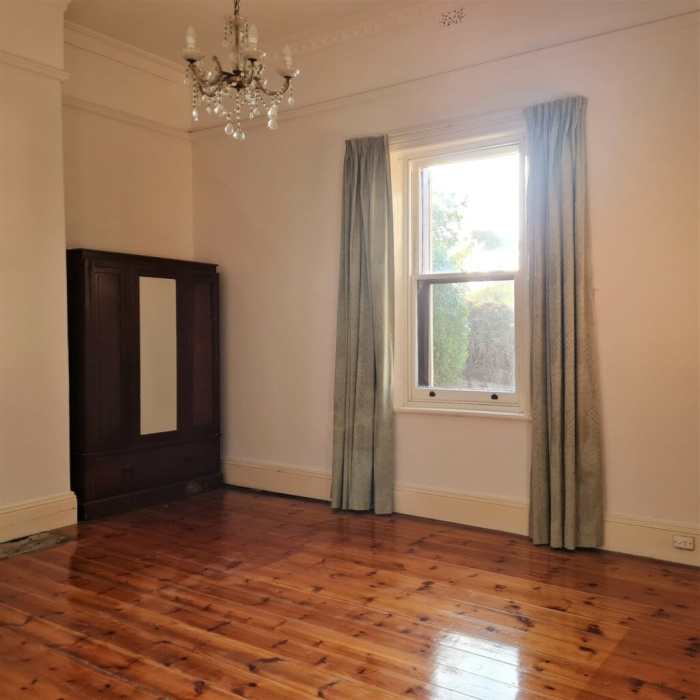
Home staging has increasingly become a critical factor in the real estate market, influencing property valuation across various segments. By transforming a home into an appealing and welcoming space, staging not only enhances visual appeal but can significantly impact a property’s market value. This discussion focuses on how home staging affects property valuation, sales timelines, and the return on investment (ROI) associated with residential and commercial properties.
Influence of Home Staging on Property Valuation
Home staging plays a vital role in how potential buyers perceive the value of a property. Staged homes often attract higher offers compared to those that are not staged. This can be attributed to the positive emotional response elicited by a well-presented space. Various real estate markets have shown that staged homes can sell for as much as 10% more than similar unstaged homes.
The impact of staging is particularly noticeable in competitive markets where buyers have numerous options; an appealing presentation can make a significant difference.
Sales Timelines of Staged Versus Unstaged Homes
Recent market statistics indicate that homes that are staged tend to sell faster than their unstaged counterparts. Staged properties spend an average of 73% less time on the market. For instance, in a report by the National Association of Realtors, it was found that staged homes sold after an average of 23 days, whereas unstaged homes remained on the market for about 90 days.
This disparity highlights the effectiveness of staging in accelerating the sales process and reducing carrying costs for sellers.
Measuring Return on Investment (ROI) for Home Staging
The return on investment for home staging can be substantial, making it an essential strategy for both residential and commercial properties. To effectively measure ROI, various methods can be employed. One common approach is to analyze the difference in sale price before and after staging. For example, a home that costs $300,000 may only net a sale price of $280,000 without staging, while a properly staged version could sell for $325,000.The following methods can be utilized to calculate the ROI for home staging:
- Cost-Benefit Analysis: Compare the costs associated with staging (including furniture rental, decor, and labor) against the increased sale price.
- Market Analysis: Evaluate the sale prices of similar homes in the area, both staged and unstaged, to assess how staging can elevate a property’s value.
- Time on Market Comparison: Measure the reduction in days on market between staged and unstaged homes, translating that into cost savings for the seller.
“Investing in home staging can yield returns that far exceed the initial costs, frequently resulting in higher offers and quicker sales.”
Ultimate Conclusion
In summary, the before and after home staging examples illustrate just how impactful staging can be in the real estate market. By effectively showcasing properties through thoughtful staging techniques, sellers can significantly enhance their chances of a quicker sale at a better price. Ultimately, investing in home staging is not just about aesthetics; it’s a strategic move that can lead to impressive returns in today’s competitive market.
FAQ Compilation
What is home staging?
Home staging is the process of decorating and arranging a home to make it more appealing to potential buyers, increasing its marketability.
How much does home staging cost?
The cost of home staging can vary widely based on location and the scope of work, typically ranging from a few hundred to several thousand dollars.
Do I need to stage every room in my house?
While it’s ideal to stage main living areas, focusing on key spaces like the living room, kitchen, and master bedroom can significantly impact buyer perception.
How long does home staging take?
The time it takes to stage a home can vary, but most projects can be completed within a few days to a week, depending on the size of the property and the extent of staging needed.
Can I stage my home myself?
Yes, many homeowners choose to stage their homes themselves by decluttering, rearranging furniture, and adding decorative touches, but professional stagers can provide valuable insights and resources.


