
Suburban vs urban home buying presents a fascinating dichotomy in the real estate market, where each option offers unique advantages and challenges. Many homebuyers are faced with the decision of choosing between the charm of suburban living and the vibrancy of urban life, making it essential to understand what each environment has to offer.
In recent years, demographic trends have shown a shift towards suburban areas, influenced by factors such as affordability, family-friendly environments, and space for remote work. On the other hand, urban living continues to attract those who value convenience, cultural experiences, and a bustling lifestyle. Understanding these dynamics can greatly assist potential buyers in making informed decisions.
Suburban Home Buying
Suburban home buying has gained popularity in recent years, appealing to a diverse range of buyers seeking space, affordability, and community. The suburban lifestyle often provides a pleasant balance between the conveniences of urban living and the calm of rural life. As remote work becomes more mainstream, many potential homeowners are reconsidering their housing preferences, leading to a shift in focus towards suburban properties.Several key benefits make suburban home buying attractive compared to urban home buying.
Suburban areas typically offer larger homes with more outdoor space, which is especially appealing to families and individuals looking for a more spacious living environment. Additionally, the cost of living in suburban regions is often lower than in urban settings, allowing buyers to get more value for their investment. Suburbs frequently feature good schools, parks, and family-friendly amenities, which contribute to a higher quality of life.
Demographic Trends Influencing Suburban Home Buying
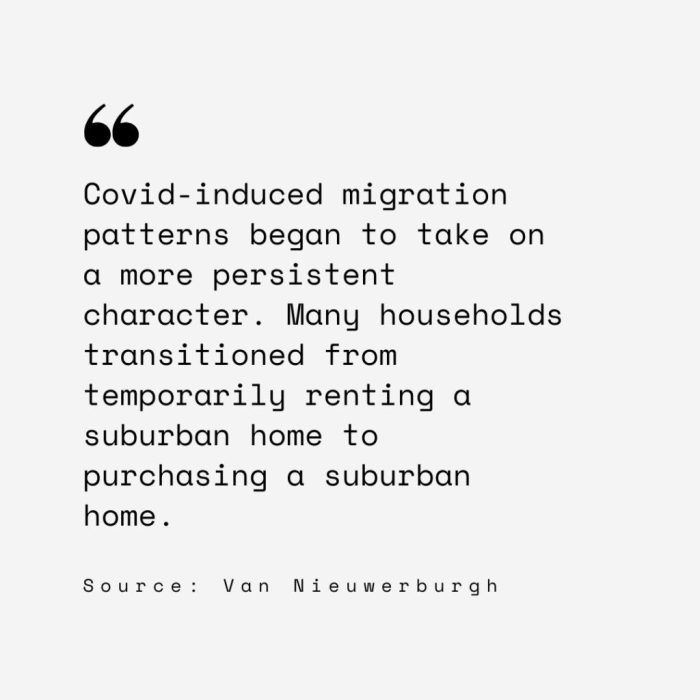
Recent years have seen significant demographic shifts impacting suburban home buying. Various factors, including the COVID-19 pandemic, have encouraged people to seek homes that accommodate remote working arrangements. As families prioritize safety and space, many have moved away from crowded urban centers to quieter suburban locations. Key demographic trends include:
- Young Families: Many young couples are starting families and prefer suburbs for their spacious homes and family-oriented communities.
- Millennials: This generation is increasingly entering the housing market, often valuing affordability and lifestyle advantages offered by suburban living.
- Retirees: Older adults seeking a peaceful and community-focused lifestyle are also gravitating towards suburban areas, drawn by lower costs and access to amenities.
Factors Affecting Real Estate Prices in Suburban Areas
Real estate prices in suburban areas can be influenced by a variety of factors, often differing significantly from those in urban settings. Understanding these factors is crucial for potential buyers and investors. Noteworthy elements impacting suburban real estate prices include:
- Location: Proximity to urban centers, transportation links, and local amenities can elevate property values.
- School Quality: Properties located in high-ranking school districts tend to command higher prices due to demand from families.
- Market Trends: The supply and demand dynamics in suburban markets can fluctuate, leading to price increases or decreases based on local economic conditions.
- Community Development: New infrastructure, shopping centers, and recreational facilities can enhance property values in suburban neighborhoods.
“Suburban living fosters a sense of community and provides a higher quality of life, which continues to attract a diverse range of home buyers.”
Urban Home Buying
Urban home buying presents a unique set of advantages that cater to a variety of lifestyle preferences and needs. For many, the allure of city life includes immediate access to amenities, cultural experiences, and a vibrant sense of community. Home buyers in urban areas often find themselves in the heart of action, surrounded by diverse populations, entertainment options, and essential services within walking distance or a short commute away.Urban environments offer a wide range of property types that appeal to different buyers.
From sleek condominiums that rise high above the city skyline to cozy townhouses that blend modern living with traditional charm, the choices are plentiful. These properties often come with distinct benefits that enhance urban living. For instance, condominiums typically provide residents with shared amenities such as fitness centers, swimming pools, and rooftop lounges, fostering a sense of community among neighbors.
On the other hand, townhouses may offer more space and private outdoor areas, making them suitable for families or those seeking a bit more room without sacrificing the urban lifestyle.
Types of Properties in Urban Areas
The variety of properties available in urban settings is one of the most compelling aspects of urban home buying. Here’s a closer look at the main types of residential properties found in cities:
- Condos: These high-rise or mid-rise buildings offer modern units with access to a range of communal facilities. They are particularly popular among young professionals and retirees who appreciate low maintenance living and the convenience of city amenities.
- Townhouses: Often designed in rows, townhouses provide multi-level living spaces, allowing for more privacy and personal outdoor areas compared to condos. They are ideal for families or individuals who prefer a bit more space while remaining in an urban setting.
- Lofts: These unique spaces typically feature high ceilings and open layouts, often located in converted industrial buildings. Lofts attract creative individuals and those who appreciate a blend of modern design with historical architecture.
- Single-Family Homes: While less common in densely populated areas, single-family homes can still be found in urban neighborhoods. These properties provide more space and privacy, appealing to families and those seeking a traditional home environment.
The lifestyle in urban areas differs significantly from suburban living, impacting everything from daily routines to recreational opportunities. Urban residents often enjoy a fast-paced lifestyle with a plethora of dining options, shopping experiences, and cultural events like concerts and art exhibitions. Public transportation systems typically allow for easy commuting, keeping residents connected to their workplaces and social hubs. Additionally, urban areas are often designed to promote walkability, which can lead to healthier living habits.Urban living also fosters a sense of community among diverse groups.
Residents often engage in local events, markets, and festivals, enriching their experiences and allowing them to form connections with their neighbors. In contrast, suburban living may offer more space and quieter surroundings but could lack the dynamic energy and cultural richness found in urban settings.
“Urban living encourages a lifestyle that values convenience, community, and culture.”
Role of Real Estate Agents in Home Buying
Navigating the home buying process can be daunting, especially when considering the differences between suburban and urban markets. Real estate agents play a crucial role in this journey, serving as guides who possess expertise in local markets, negotiation skills, and knowledge of the home buying process. Their involvement can mean the difference between a smooth transaction and a stressful experience.Real estate agents are invaluable resources for buyers seeking homes in either suburban or urban settings.
They not only help with property searches but also provide insights into neighborhood dynamics, schools, and amenities that can impact a home purchase. Their experience allows them to identify the best opportunities based on client preferences and financial capabilities. Overall, a skilled real estate agent can help buyers make informed decisions in an often complex and competitive environment.
Choosing the Right Realtor Based on Location Preferences
Selecting the right real estate agent is essential, particularly when considering the unique characteristics of suburban versus urban living. Here are several strategies to ensure you find an agent who meets your specific needs:
- Research Local Expertise: Look for agents who specialize in the area you are interested in. An agent familiar with suburban neighborhoods will have insights into schools, parks, and community resources, while an urban agent will excel in navigating city regulations and cultural amenities.
- Check Credentials and Experience: Evaluate the agent’s qualifications, including certifications and years in the business. Experienced agents are often better equipped to handle negotiations and understand market trends.
- Read Reviews and Testimonials: Seek feedback from previous clients to gauge an agent’s performance, communication style, and overall satisfaction. Online platforms can provide valuable insights into their reputation.
- Discuss Your Goals: Have candid conversations with potential agents about your buying criteria and preferences. A successful match will understand your needs and be committed to fulfilling them.
- Interview Multiple Agents: Don’t settle for the first agent you meet. Interview several to compare their approaches and determine who you feel most comfortable working with.
Assistance with Home Staging for Urban and Suburban Properties
Home staging plays a significant role in how properties are perceived by potential buyers. Real estate agents can provide valuable assistance in staging both suburban and urban homes to maximize appeal and market value. Here are ways agents contribute to effective home staging:
- Professional Staging Services: Many agents have connections with professional stagers who specialize in optimizing space, lighting, and decor to highlight the property’s best features.
- Tailored Recommendations: An agent’s local knowledge allows them to give specific advice on staging that resonates with target buyers. For urban properties, this might include emphasizing open floor plans and maximizing small spaces, while suburban staging may focus on family-friendly layouts and outdoor areas.
- Market Trends Insight: Real estate agents stay updated on current design trends that attract buyers in their specific markets. They can suggest colors, furnishings, and layouts that align with buyer expectations.
- Photography and Marketing Support: Agents often coordinate professional photography that showcases the staged home effectively. The right images can significantly enhance online listings and attract more potential buyers.
- Feedback Collection: After showings, agents can gather feedback on the staging from potential buyers, providing insights that may lead to adjustments for future viewings.
Ending Remarks
In summary, whether you lean towards suburban tranquility or urban excitement, understanding the nuances of each option is crucial. Both suburban and urban home buying come with their own sets of advantages, allowing buyers to choose based on personal preferences and lifestyle needs. Ultimately, the best choice is one that aligns with your individual circumstances and aspirations.
FAQ Corner
What are the main benefits of suburban home buying?
Suburban homes typically offer more space, larger yards, and a quieter environment, making them ideal for families and those seeking a peaceful lifestyle.
How do real estate prices compare between urban and suburban areas?
Real estate prices in urban areas are often higher due to demand and proximity to amenities, while suburban areas may offer more affordable options.
What types of properties can I find in urban environments?
Urban areas often feature condominiums, townhouses, and lofts, catering to a diverse range of buyers looking for convenience and modern living.
How important is the role of a real estate agent in this process?
A real estate agent can provide essential knowledge of the local market, help navigate the buying process, and assist with negotiations for both suburban and urban properties.
What lifestyle differences should I consider when choosing between suburban and urban living?
Suburban living often emphasizes space and community, while urban living typically offers greater access to nightlife, cultural events, and public transport.


