
Foreclosure auctions near me present an intriguing gateway for potential homebuyers and investors alike, offering the chance to snag properties at below-market prices. These auctions can be filled with excitement and unpredictability, turning the traditional real estate buying process on its head while allowing savvy individuals to capitalize on unique opportunities.
Understanding how foreclosure auctions operate, along with the benefits and risks involved, is essential for anyone looking to navigate this dynamic market. From preparing for an auction to working alongside real estate agents and crafting investment strategies, being well-informed can make all the difference in achieving success.
Foreclosure Auctions Overview
Foreclosure auctions are a critical aspect of real estate that can offer unique opportunities for buyers and investors. These auctions occur when a property owner defaults on their mortgage, leading the lender to sell the property to recoup their losses. The process can be complex, but understanding the mechanics can empower participants to make informed decisions.Foreclosure auctions typically operate through a structured bidding process conducted by the local government or a designated auctioneer.
The property is sold to the highest bidder, often at a price lower than the market value, making it an attractive option for buyers looking for deals. However, it is essential to recognize both the advantages and risks that accompany these auctions.
Benefits and Risks of Foreclosure Auctions
Participating in foreclosure auctions comes with both potential benefits and considerable risks that buyers should be aware of before bidding.
- Benefits:
-
Opportunity for significant savings: Properties at foreclosure auctions can sell for much less than their appraised value, leading to potential profit margins for buyers.
- Quick transactions: Auctions typically have a set timeline, meaning buyers can secure properties quickly without the lengthy process of traditional real estate transactions.
- Less competition: Many buyers may shy away from auctions due to perceived risks, which may result in lower competition and better prices.
- Risks:
-
Limited property inspections: Buyers often cannot conduct a thorough inspection before bidding, leading to potential costs for repairs.
- Outstanding debts: Properties may come with liens or other outstanding debts that the new owner will have to address post-purchase.
- Market variability: The real estate market can fluctuate, meaning a good deal today may not be as valuable in the future.
Step-by-Step Guide for Attending a Foreclosure Auction
Preparation is crucial when attending a foreclosure auction to ensure a smooth and successful experience. Here is a structured guide to help you navigate the process effectively.
1. Research Properties
Identify available properties in foreclosure and gather as much information as possible, including property value, location, and condition.
2. Check Auction Details
Confirm the date, time, and location of the auction. Auctions may be conducted in person or online, so understanding the format is essential.
3. Prepare Finances
Determine your budget and secure financing if needed. Many auctions require payment in full or a deposit immediately upon winning a bid.
4. Bring Necessary Documents
Ensure you have proper identification, proof of funds, and any required registration documents to participate in the auction.
5. Visit Properties
If possible, visit the properties beforehand to assess their condition and familiarize yourself with the neighborhood.
6. Understand Bidding Process
Familiarize yourself with the auction rules and bidding process, including how to place bids and any reserve prices.
7. Stay Calm and Focused
On auction day, stay calm and stick to your budget. Avoid getting caught up in bidding wars that can lead to overspending.By following these steps, participants can approach foreclosure auctions with greater confidence and knowledge, increasing their chances of securing a valuable property investment.
Working with Real Estate Agents in Foreclosure Auctions
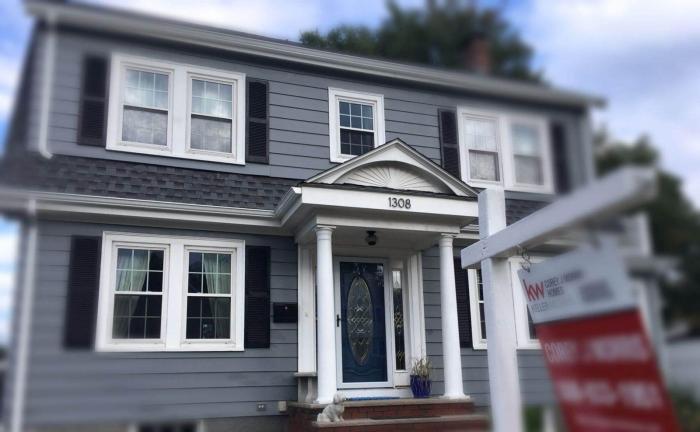
In the realm of foreclosure auctions, the expertise of a real estate agent specializing in this sector can significantly influence your investment success. These professionals possess the knowledge and skills necessary to navigate the complexities of foreclosure properties, guiding you through the process while ensuring you make informed decisions.Real estate agents who focus on foreclosure properties play a pivotal role in identifying potential investments, providing insights into market conditions, and assisting with the bidding process.
Their familiarity with local regulations and auction procedures can save you time and help you avoid costly mistakes. Moreover, they often have access to listings before they hit the public market, giving you a competitive edge.
Key Questions to Ask a Realtor for Foreclosure Investments
When considering a real estate agent for foreclosure investments, it’s essential to ask pertinent questions that gauge their expertise and understanding of the auction landscape. This conversation will help establish their qualifications and how well they align with your investment goals. Here are some critical questions to consider:
- What experience do you have with foreclosure properties, specifically in auction settings?
- Can you provide references from previous clients who have successfully purchased foreclosure properties?
- What strategies do you recommend for bidding in foreclosure auctions?
- How do you stay informed about changes in local real estate laws and foreclosure procedures?
- What are the common pitfalls to avoid when investing in foreclosure properties?
Factors to Consider When Selecting a Real Estate Agent for Auction Assistance
Choosing the right real estate agent to assist with foreclosure auctions involves evaluating various factors that contribute to their effectiveness. A knowledgeable and well-connected agent can enhance your chances of securing a profitable investment. Consider the following aspects when making your selection:
- Specialization: Ensure the agent specializes in foreclosure properties and has experience with auction sales.
- Market Knowledge: Look for an agent who understands the local market trends and can provide valuable insights into property values.
- Communication Skills: A good agent should maintain clear and open communication, keeping you informed throughout the process.
- Negotiation Skills: Effective negotiation can significantly affect your purchase price and terms, so choose an agent with a strong track record in negotiations.
- Accessibility: Ensure the agent is available to answer questions and provide support, especially as auction dates approach.
Investment Strategies for Foreclosure Properties
Investing in foreclosure properties presents unique opportunities and challenges. A well-structured investment strategy is crucial for maximizing potential returns while minimizing risks. Understanding the nuances of foreclosure investing can lead to lucrative outcomes for seasoned investors and beginners alike.Analyzing potential foreclosure investments requires a comprehensive plan that includes financial assessments and market evaluations. Before diving into bidding, investors must ascertain the property’s condition and market value to ensure a wise investment decision.
Financial Assessment for Foreclosure Investments
A thorough financial assessment is pivotal in gauging the viability of foreclosure properties. This involves calculating potential costs and anticipated returns. Key components to focus on include:
- Purchase Price: Determine the property’s auction price and compare it to similar properties in the area.
- Repair Costs: Estimate necessary repairs using a home inspection or contractor quotes to avoid unexpected expenses.
- Holding Costs: Consider ongoing expenses like property taxes, insurance, and maintenance until the property is sold or rented.
- Potential Rental Income: Research rental rates in the neighborhood to project cash flow if you plan to lease the property.
- Exit Strategy: Plan for a future sale or rental, considering market conditions to maximize your return on investment.
Evaluating Property Condition and Market Value
Prior to placing a bid, investors must evaluate both the physical condition of the property and its market value. This assessment should include:
- Property Inspection: Conduct a thorough inspection to identify any structural issues, mold, or pest problems.
- Comparative Market Analysis: Analyze recent sales of similar properties in the locality to gauge appropriate bidding amounts.
- Title Search: Ensure the property has a clear title to avoid any legal complications post-purchase.
- Neighborhood Trends: Investigate local market trends, crime rates, and future development plans that may affect property values.
Financing Options for Foreclosure Purchases
Securing financing for foreclosure purchases requires an understanding of available options. Investors can enhance their buying power through various methods, including:
- Conventional Mortgages: Traditional loans for foreclosure properties, though they may require pre-approval and a down payment.
- FHA Loans: Federal Housing Administration loans, suitable for first-time buyers looking to invest in foreclosures.
- Cash Offers: Utilizing cash can provide a competitive edge in auctions, enabling quicker transactions and often better deals.
- Hard Money Loans: Short-term loans based on the property’s value, beneficial for investors needing quick funding.
- Partnerships or Joint Ventures: Collaborating with other investors can spread financial risk and increase capital for larger investments.
“Understanding your financing options can make the difference between winning an auction and missing out on a valuable investment opportunity.”
By implementing these strategies, investors can navigate the often-complex landscape of foreclosure auctions, turning potential pitfalls into profitable ventures.
Closure
In conclusion, foreclosure auctions near me can be a goldmine for those willing to do their homework and approach the process with a strategic mindset. By familiarizing yourself with the auction process, leveraging the expertise of real estate agents, and employing sound investment strategies, you can uncover remarkable deals that pave the way for financial growth and property ownership.
General Inquiries
What is a foreclosure auction?
A foreclosure auction is a public sale where properties repossessed by lenders are sold to recover the owed mortgage amount.
How do I find foreclosure auctions near me?
You can find foreclosure auctions through local court websites, real estate listings, or by contacting real estate agents specializing in foreclosures.
What should I bring to a foreclosure auction?
Bring a valid ID, proof of funds or financing, and any necessary documents related to your bidding strategy.
Are there risks associated with buying a foreclosed property?
Yes, risks include potential hidden repairs, liens on the property, and the possibility of overbidding during the auction.
Can I inspect a property before the auction?
Inspection policies vary; some auctions allow viewing before the sale, while others do not. Always check the auction rules.


