
Office space construction trends sets the stage for this enthralling narrative, offering readers a glimpse into a story that is rich in detail and brimming with originality from the outset. The way we design and construct office spaces is undergoing a significant transformation, influenced by innovations in architecture, the rise of remote work, and a growing emphasis on sustainability. These changes not only cater to the evolving needs of businesses and employees but also impact the broader commercial real estate landscape.
As we explore the latest innovations in office layouts, it becomes clear that flexibility and functionality are key themes. The integration of sustainable materials and practices in new constructions is not just a trend, but a necessity in today’s environment-conscious world. Understanding these dynamics is essential for real estate professionals as they navigate the shifting demands of their clients.
Office Space Construction Trends
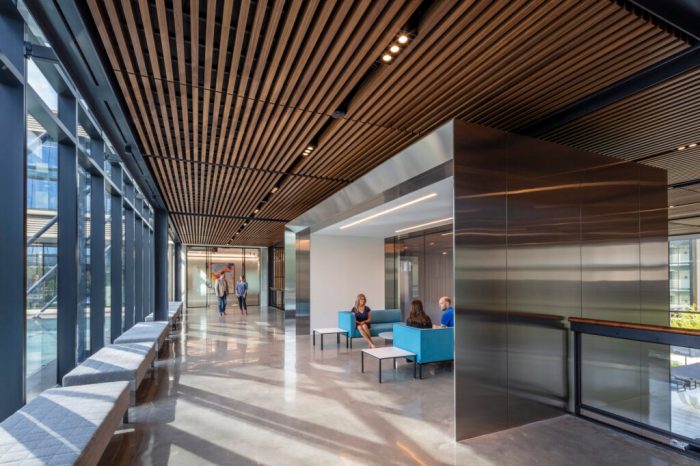
The landscape of office space construction is rapidly evolving, influenced by innovations in design and a growing emphasis on sustainability. With the rise of remote work, the traditional office layout is being rethought to accommodate new working styles and priorities. This shift is prompting architects and builders to explore creative solutions that enhance functionality, aesthetics, and environmental responsibility.Innovations in office space design are transforming how companies utilize their physical environments.
For instance, the incorporation of flexible layouts allows businesses to adapt quickly to changing team sizes and collaboration needs. This flexibility is often achieved through movable walls, modular furniture, and multi-purpose spaces that can serve various functions throughout the day. Additionally, technology integration is becoming essential, with smart building systems that monitor energy use and enhance user comfort.
Influence of Remote Work on Office Space Layouts
The increasing prevalence of remote work has significantly altered the requirements for office spaces. Companies are now focusing on creating environments that foster collaboration and team cohesion, rather than simply providing a place for individuals to work. An essential aspect of this shift is the design of collaborative workspaces. These areas are often equipped with advanced technology, such as video conferencing tools and interactive whiteboards, to facilitate communication with remote team members.
Furthermore, the emphasis on wellness in the workplace is driving the incorporation of natural light, biophilic design elements, and wellness facilities like gyms and relaxation zones.
Sustainable Building Materials in New Office Constructions
Sustainability is at the forefront of modern office construction, leading to the adoption of eco-friendly materials and practices. Utilizing sustainable building materials not only reduces environmental impact but also enhances the overall appeal of the office space.Examples of sustainable materials gaining popularity include:
- Bamboo: A fast-growing grass that is highly renewable and durable, making it an excellent choice for flooring and furniture.
- Recycled Steel: Often used in structural applications, recycled steel minimizes resource extraction and energy consumption compared to new steel production.
- Low-VOC Paints: These paints reduce harmful emissions indoors, contributing to better air quality for occupants.
- Insulated Concrete Forms (ICFs): Offering superior insulation properties, ICFs help in maintaining energy efficiency throughout the year.
Incorporating these materials not only aligns with corporate sustainability goals but can also lead to cost savings in energy consumption over time. As organizations continue to prioritize ecological responsibility, the trend toward sustainable office construction is likely to grow, creating healthier and more efficient work environments.
Impact on Real Estate Agents and Realtors
The evolving trends in office space construction are reshaping the commercial real estate landscape, significantly influencing the roles and responsibilities of real estate agents and realtors. As businesses adapt to new ways of working and space utilization, real estate professionals must also pivot to meet the changing demands of their clients. This shift not only requires an understanding of the market but also the skills necessary to navigate new challenges and opportunities.The growing trend towards flexible workspaces, co-working environments, and sustainable building practices has transformed how commercial transactions are conducted.
Real estate agents play a crucial role in this transition, acting as guides for businesses looking to lease or purchase office spaces that align with modern needs. This involves staying informed about various construction trends, including the integration of technology in office design, the push for environmentally friendly buildings, and the rise of hybrid work models.
Skills Required for Adapting to Office Space Demands
To thrive in the changing atmosphere of office space demands, realtors must develop a specific skill set that is aligned with current market trends. Recognizing these skills is essential for success in commercial real estate transactions. The following skills are particularly important for real estate agents in this evolving landscape:
- Market Knowledge: A deep understanding of current market dynamics and emerging trends in office space is vital. This includes awareness of new construction projects, zoning regulations, and the impact of remote work on space requirements.
- Negotiation Skills: Effective negotiation techniques are crucial as agents advocate for their clients’ needs, especially in competitive markets. Mastery in negotiation can lead to better lease terms and purchase agreements.
- Technological Proficiency: Familiarity with real estate technology tools such as virtual tours, digital marketing platforms, and transaction management software enhances service delivery and client engagement.
- Sustainability Awareness: Knowledge of sustainable building practices and green certifications allows agents to advise clients on environmentally conscious options, catering to businesses with eco-friendly values.
- Networking Abilities: Building a strong network of contacts, including builders, architects, and investors, is essential for accessing exclusive opportunities and insights into upcoming projects.
Understanding these skills enables real estate agents to position themselves as knowledgeable advisors, providing valuable insights to their clients during negotiations.
“Knowledge of evolving office space trends is key to successfully navigating the commercial real estate market.”
The importance of being well-versed in new construction trends cannot be understated. Awareness of current developments allows real estate agents to effectively represent their clients’ interests, ensuring they secure office spaces that not only meet their immediate needs but also support their long-term growth strategies. A well-informed realtor can better evaluate properties for their potential ROI, understand competitive advantages, and foresee how market trends may affect future values.
This capability is increasingly valuable in a landscape where office space requirements are in constant flux.
Commercial Construction and Property Trends
The commercial construction landscape is undergoing significant transformations, influenced by evolving consumer preferences, advancements in technology, and a growing emphasis on sustainability. As urbanization accelerates and the demand for dynamic spaces increases, these trends are reshaping how commercial properties are developed and utilized. This discussion explores the rise of mixed-use developments, a comparison of traditional office spaces and coworking environments, and the impact of green building practices on commercial construction standards.
Rise of Mixed-Use Developments
Mixed-use developments combine residential, commercial, and sometimes even industrial spaces into a cohesive community. These projects offer a blend of amenities that attract a diverse range of tenants and investors. The appeal of mixed-use environments lies in their ability to create vibrant, walkable communities that foster interaction and economic growth.
- Increased Foot Traffic: Mixed-use developments often lead to a higher volume of foot traffic, benefiting retail spaces and local businesses.
- Enhanced Property Value: The integration of residential and commercial spaces tends to enhance overall property values, making them attractive to investors.
- Community Engagement: These developments encourage a sense of community, with shared spaces like parks, cafes, and performance venues that attract visitors.
Mixed-use developments are reshaping urban landscapes, merging lifestyles with commerce.
Comparison of Traditional Office Spaces and Coworking Environments
The commercial real estate market has witnessed a significant shift from traditional office spaces to more flexible coworking environments. This change reflects the evolving needs of businesses and workers alike.
- Flexibility: Coworking spaces offer flexible lease terms and adaptable layouts, allowing companies to scale their operations quickly.
- Cost Efficiency: Businesses can often save on overhead costs by utilizing coworking spaces instead of committing to long-term leases on traditional offices.
- Networking Opportunities: Coworking environments foster collaboration and networking among diverse professionals, potentially leading to business partnerships and innovative ideas.
Coworking spaces represent a shift toward flexibility and community in the workplace.
Influence of Green Building Practices
Green building practices are increasingly becoming a standard in commercial construction, driven by both regulatory requirements and market demand for sustainable practices. These approaches not only reduce environmental impact but also create healthier spaces for occupants.
- Energy Efficiency: Incorporating energy-efficient technologies can significantly reduce operational costs and carbon footprints, appealing to environmentally conscious investors.
- Water Conservation: Advanced plumbing systems and water-efficient landscaping contribute to resource conservation, which is becoming essential for modern developments.
- Health and Wellness: Green buildings prioritize indoor air quality and natural lighting, promoting the health and well-being of occupants, which can enhance productivity.
Green building practices lead to sustainable commercial spaces that benefit both the environment and occupants.
Closure
In conclusion, the trends in office space construction not only reflect the current state of work but also pave the way for the future of commercial real estate. As remote work continues to influence designs and sustainable practices take center stage, it is crucial for stakeholders to adapt to these changes. By staying informed about these trends, real estate agents and developers can make strategic decisions that align with the evolving marketplace, ensuring they remain competitive and relevant.
FAQ Insights
What are the latest innovations in office construction?
Innovations include adaptive reuse of spaces, modular construction, and integration of smart technology for enhanced functionality.
How has remote work changed office space needs?
Remote work has led to more flexible layouts, co-working spaces, and a focus on collaboration areas over traditional cubicles.
What sustainable materials are commonly used in new offices?
Common sustainable materials include recycled steel, bamboo flooring, and low-VOC paints that contribute to healthier indoor environments.
How do these trends affect real estate agents?
Real estate agents must adapt by understanding new design preferences, sustainability requirements, and the impact of remote work on space demand.
What is the significance of mixed-use developments?
Mixed-use developments create vibrant communities, combining residential, commercial, and recreational spaces, which appeal to modern consumers and investors alike.


