
Luxury home building trends are continuously evolving, reflecting both innovation and lifestyle aspirations. Today, homeowners are not just looking for lavish designs; they want homes that combine elegance with functionality, sustainability, and cutting-edge technology. From striking architectural styles to eco-friendly materials and smart home systems, the luxury housing market is at the forefront of contemporary living.
As we explore these trends, it’s fascinating to see how they shape not only individual preferences but also the broader real estate market. With an increasing focus on sustainability and modern technology, the luxury home building sector is redefining what it means to live in style and comfort.
Luxury Home Building Trends
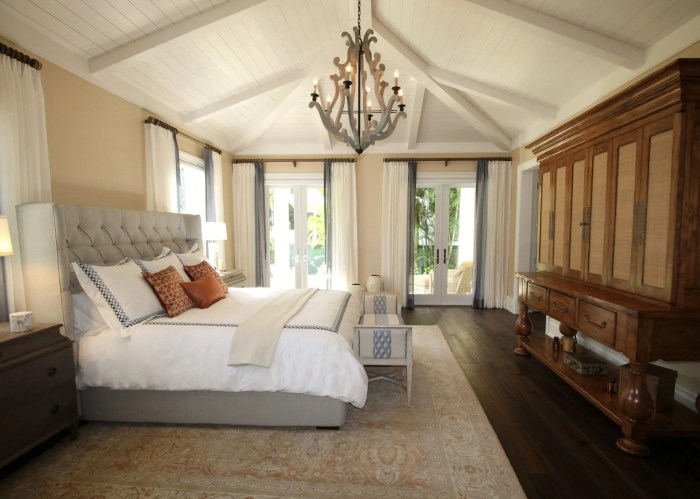
The luxury home market is continuously evolving, showcasing the latest architectural styles, high-end materials, and cutting-edge technologies that cater to an affluent clientele. As homeowners seek unique expressions of their personal tastes and lifestyles, several key trends emerge that redefine luxury in the construction sector. Understanding these trends not only helps builders and architects innovate but also enhances the overall experience for buyers seeking their dream homes.
Architectural Styles Defining Luxury Homes
Contemporary design elements are at the forefront of luxury home architecture, with a strong focus on minimalism and functionality. Open floor plans that promote light and space are increasingly popular, as they encourage a seamless flow between indoor and outdoor areas. Key styles currently trending include:
- Modern Farmhouse: Combining rustic charm with sleek finishes, modern farmhouses often feature large porches, natural wood elements, and expansive windows that connect the living space with nature.
- Mid-Century Modern: This style emphasizes clean lines, organic forms, and integration with the landscape. It’s characterized by large glass windows and open spaces, creating a harmonious balance between the interior and exterior.
- Sustainable Architecture: With increasing awareness of environmental issues, many luxury homes now employ eco-friendly designs, incorporating solar panels, green roofs, and materials sourced sustainably to minimize the ecological footprint.
Trending Materials and Finishes in Luxury Home Construction
The choice of materials and finishes is crucial in luxury home building, impacting both aesthetics and functionality. Current trends emphasize high-quality, durable materials that enhance the home’s beauty while providing long-term value.Notable materials gaining popularity include:
- Natural Stone: This timeless material offers elegance and durability, often used in countertops, flooring, and exterior facades, providing a sense of luxury while being environmentally friendly.
- High-Performance Glass: Utilized for large windows and sliding doors, this glass not only allows for stunning views but also enhances energy efficiency and insulation, making homes more sustainable.
- Luxury Vinyl Flooring: Mimicking natural materials like wood or stone, luxury vinyl offers an affordable, durable, and easy-to-maintain flooring option that suits various design aesthetics.
Technology Integration in Luxury Homes
As technology continues to advance, luxury homes are increasingly incorporating smart home systems that enhance comfort, security, and energy efficiency. These technologies offer homeowners unprecedented control over their living environments.Key technological features being integrated include:
- Smart Lighting Systems: These systems allow homeowners to customize lighting settings from their smartphones or through voice commands, enhancing ambiance and energy efficiency.
- Home Automation Systems: Comprehensive systems can control everything from heating and cooling to security and window treatments, providing convenience and peace of mind.
- Advanced Security Features: High-tech security systems with facial recognition cameras, smart locks, and real-time alerts ensure the safety of luxury properties, appealing to homeowners’ desire for security.
Sustainability in Luxury Homes
In today’s luxury home market, sustainability has become a hallmark of sophistication and forward-thinking design. Eco-friendly practices not only contribute positively to the environment but also reflect a homeowner’s commitment to a better future. As consumers become more environmentally conscious, luxury home builders are responding by integrating sustainable solutions into their projects, enhancing both the living experience and the value of the property.The significance of green building practices in luxury home construction extends beyond aesthetics; these practices are essential for reducing carbon footprints and promoting energy efficiency.
By adopting sustainable methods, builders can create homes that use fewer resources and are less harmful to the environment. This paradigm shift is not only beneficial for the planet but also promotes a healthier living space for residents.
Eco-Friendly Materials and Property Value
The use of eco-friendly materials in luxury homes plays a critical role in enhancing property value. High-quality, sustainable materials are increasingly sought after in the real estate market, as they signify a commitment to durability, health, and environmental responsibility. Investing in eco-friendly materials can yield a higher return on investment, making properties more appealing to discerning buyers.Examples of eco-friendly materials that elevate luxury homes include:
- Reclaimed Wood: This material adds character and uniqueness while minimizing deforestation and waste.
- Low-VOC Paint: Volatile organic compounds can impact indoor air quality, so low-VOC paints contribute to a healthier home environment.
- Recycled Steel: Often used for framing, recycled steel is incredibly durable and can significantly reduce construction waste.
- Natural Stone: Sourced sustainably, natural stone offers a timeless aesthetic while being durable and low-maintenance.
Energy-Efficient Features in Luxury Homes
Energy-efficient features are increasingly prioritized by luxury home buyers, as they not only reduce utility bills but also contribute to a more sustainable living environment. These features can significantly enhance the appeal of a property, making it more competitive in the luxury market.Some sought-after energy-efficient features include:
- Solar Panels: Offering renewable energy generation, solar panels can drastically reduce energy costs while promoting sustainability.
- Smart Home Technology: Systems that regulate energy use, such as smart thermostats and lighting, provide convenience and efficiency.
- Energy Star Appliances: These appliances consume less energy and water, providing savings without compromising on performance.
- High-Quality Insulation: Proper insulation keeps homes comfortable year-round and can significantly lower heating and cooling costs.
“Investing in sustainable features is not just an ethical choice; it is a wise financial decision that enhances the value and appeal of luxury homes.”
Real Estate Market Impact
The luxury home building trends significantly shape the overall real estate market, influencing both buyer behavior and market dynamics. Understanding these trends provides insights into the shifting demands of affluent consumers and the evolving landscape of property values.In recent years, the luxury real estate market has seen a notable transformation influenced by various factors, including economic shifts, lifestyle changes, and advancements in technology.
The current luxury home market is characterized by a demand for sustainability, smart home technology, and unique architectural designs. This stands in contrast to previous years, where the focus was more on traditional aesthetics and expansive square footage. As the market continues to evolve, the role of real estate agents in promoting luxury properties has become more complex and challenging.
Current Trends vs. Previous Years
The comparison of the luxury home market from past years to the present illustrates significant changes in buyer preferences and market behavior. These include:
- Sustainability as a Priority: More buyers now prefer eco-friendly homes, reflecting a broader societal shift towards environmental consciousness.
- Technology Integration: Homes equipped with smart technology, such as home automation systems and energy-efficient appliances, are more attractive to today’s buyers.
- Desire for Unique Designs: Unlike previous trends that favored uniformity, buyers are increasingly seeking distinct architectural styles and personalized features.
- Shift in Location Preferences: There’s a growing interest in properties located in suburban or rural areas, driven by the desire for more space, privacy, and a retreat from urban living.
The evolution in these trends impacts property values and demand across the real estate sector, compelling agents to adapt to new market realities.
Challenges Faced by Real Estate Agents
Real estate agents play a crucial role in the luxury market, acting as intermediaries between buyers and sellers. However, they face several challenges, including:
- Navigating a Competitive Market: With a growing number of agents entering the luxury sector, standing out requires innovative marketing strategies and deep market knowledge.
- Understanding Evolving Buyer Expectations: Agents must stay informed about the latest trends and technological advancements to meet the sophisticated demands of affluent clients.
- Managing Client Relationships: High-net-worth individuals often have unique needs and expectations, which can complicate client-agent dynamics.
- Adapting to Economic Fluctuations: Economic uncertainties can quickly change luxury buyers’ investment outlook, requiring agents to adjust their strategies accordingly.
These challenges necessitate continuous learning and adaptation, as agents strive to effectively market luxury properties while staying ahead of market trends and client expectations.
Concluding Remarks
In summary, the luxury home building landscape is a dynamic interplay of artistic design, sustainable practices, and technological advancement. As homeowners prioritize eco-friendliness alongside opulence, the trends discussed highlight a transformative journey in luxury living. Embracing these trends not only enhances personal comfort but also positively impacts the real estate market, making it an exciting time for both buyers and builders alike.
FAQ Explained
What are the latest architectural styles in luxury homes?
Current architectural styles include modern minimalism, contemporary designs with organic shapes, and traditional styles that incorporate modern elements.
How do eco-friendly materials affect luxury home value?
Using eco-friendly materials can enhance property value by appealing to environmentally conscious buyers, making homes more marketable and desirable.
What types of smart home technology are popular in luxury homes?
Popular smart home technologies include automated lighting, advanced security systems, climate control, and integrated entertainment systems.
How does sustainability impact luxury home building trends?
Sustainability is becoming a key focus, leading builders to adopt green practices and features that align with buyers’ values and preferences.
What challenges do real estate agents face in the luxury market?
Agents often deal with higher expectations from clients, market fluctuations, and the need for specialized knowledge about luxury properties.


