
With Eco-friendly home building materials gaining traction, homeowners and builders alike are increasingly looking towards sustainable options that not only reduce environmental impact but also enhance the quality of living. The rise in awareness about climate change has sparked a wave of innovation in the construction industry, leading to a plethora of eco-friendly alternatives that are both practical and stylish.
From reclaimed wood to recycled steel, the types of materials available today are diverse and exciting. These options not only contribute to a healthier planet but also provide significant benefits over traditional materials, such as improved energy efficiency and durability. This exploration into the world of sustainable construction materials opens up new possibilities for creating homes that harmonize with nature.
Eco-friendly Home Building Materials
In the quest for sustainable living, eco-friendly home building materials have emerged as a leading choice for environmentally conscious homeowners. These materials not only contribute to reducing ecological footprints but also promote better health and comfort within living spaces. This discussion explores various types of eco-friendly materials, their benefits over traditional options, and highlights some innovative products available in the market.
Types of Eco-friendly Building Materials
A variety of eco-friendly materials can be utilized in home construction, each offering unique advantages while minimizing environmental impact. These materials enhance sustainability by being renewable, recyclable, or made from responsibly sourced resources. Some notable examples include:
- Bamboo: Known for its rapid growth and strength, bamboo is a highly renewable resource that can be used for flooring, cabinetry, and structural elements.
- Recycled Steel: Steel recycling is a common practice that helps conserve resources. Recycled steel can be used for framing and roofing, providing durability and energy efficiency.
- Cork: Harvested from the bark of cork oak trees, this material is renewable and provides excellent insulation, making it suitable for flooring and wall applications.
- Straw Bale: Used as an insulating material, straw bales are made from agricultural byproducts and are an effective way to reduce energy consumption.
- Ferrock: A groundbreaking material made from recycled steel dust and other byproducts, Ferrock is carbon-negative and can be used as a concrete alternative.
Benefits of Sustainable Materials
Choosing sustainable materials over traditional options offers numerous benefits that extend beyond mere aesthetics. Each material’s lifecycle, from production to disposal, contributes to its overall sustainability. Key advantages include:
- Environmental Impact: Sustainable materials reduce waste, lower carbon emissions, and conserve natural resources.
- Health Benefits: Many eco-friendly materials are free from harmful chemicals, improving indoor air quality and overall well-being.
- Energy Efficiency: Materials such as insulated panels and recycled steel can significantly reduce energy consumption and costs in the long run.
- Durability: Many sustainable options are designed to last longer than traditional materials, leading to fewer replacements and repairs.
- Market Value: Homes built with eco-friendly materials often have a higher resale value due to their sustainable features and lower operational costs.
Innovative Eco-friendly Products
The market is filled with innovative eco-friendly products that cater to the growing demand for sustainable home construction. These products not only enhance the aesthetic appeal of a home but also contribute to its environmental sustainability. Examples include:
- Green Roof Systems: Utilizing vegetation to cover rooftops, these systems provide insulation, reduce runoff, and promote biodiversity.
- Low-VOC Paints: Made with minimal volatile organic compounds, these paints improve indoor air quality while maintaining vibrant color options.
- Solar Roof Tiles: Integrating solar energy solutions into roofing materials, these tiles not only serve as a protective layer but also generate clean energy.
- Reclaimed Wood: Sourced from old barns or factories, reclaimed wood adds character to homes while reducing the need for new timber.
- Energy-efficient Windows: These windows are designed to minimize heat loss and solar gain, significantly improving a home’s energy efficiency.
Real Estate and Eco-friendly Practices
In today’s environmentally conscious market, real estate agents have a unique opportunity to promote homes built with sustainable materials. By emphasizing the benefits of eco-friendly features, agents can attract buyers who prioritize sustainability. This discussion explores effective strategies that agents can employ to highlight eco-friendly homes, staging techniques that resonate with environmentally aware buyers, and the influence of green building certifications on property value.
Promotion of Homes Built with Sustainable Materials
Real estate agents play a crucial role in marketing homes constructed with eco-friendly materials. By effectively communicating the advantages of these materials, they can pique the interest of potential buyers. Key strategies include:
- Highlighting Energy Efficiency: Many sustainable homes feature energy-efficient appliances and insulation. Agents should emphasize how these elements can lead to significant cost savings on utility bills.
- Emphasizing Health Benefits: Eco-friendly materials often improve indoor air quality and reduce allergens. Agents can point out the health advantages of living in a home built with non-toxic materials.
- Showcasing Long-term Value: Sustainable homes typically have lower maintenance costs and higher resale values. Agents can leverage data showing that green homes sell for more compared to traditional homes.
Staging Eco-friendly Homes
Staging plays a vital role in attracting buyers, especially those who prioritize sustainability. By employing specific methods to showcase eco-friendly homes effectively, agents can create a compelling narrative for potential buyers. Key methods include:
- Using Natural Materials: Incorporating wooden furniture, organic fabrics, and other natural materials can create a warm and inviting atmosphere that aligns with eco-friendly principles.
- Incorporating Greenery: Adding plants not only enhances the home’s aesthetic but also promotes indoor air quality. A well-placed indoor garden can draw attention to the home’s eco-friendly features.
- Showcasing Energy-efficient Features: Ensure that all energy-efficient appliances are visible and operational during showings. This displays the home’s commitment to sustainability.
Impact of Green Building Certifications
Green building certifications can significantly influence property value and sales. These certifications signal to buyers that a home meets rigorous sustainability standards. Important points regarding their impact include:
- Increased Market Appeal: Homes with certifications such as LEED or Energy Star are often more attractive to buyers looking for sustainable options.
- Higher Resale Values: Homes with green certifications have been shown to sell at a premium compared to comparable non-certified homes. Studies indicate that LEED-certified homes can command up to 10% higher prices.
- Faster Sales: Properties with recognized green certifications typically sell faster, as they appeal to a growing market segment of eco-conscious buyers.
Integrating eco-friendly practices into real estate not only benefits the environment but also enhances property value and appeal in a competitive market.
Eco-friendly Construction Trends
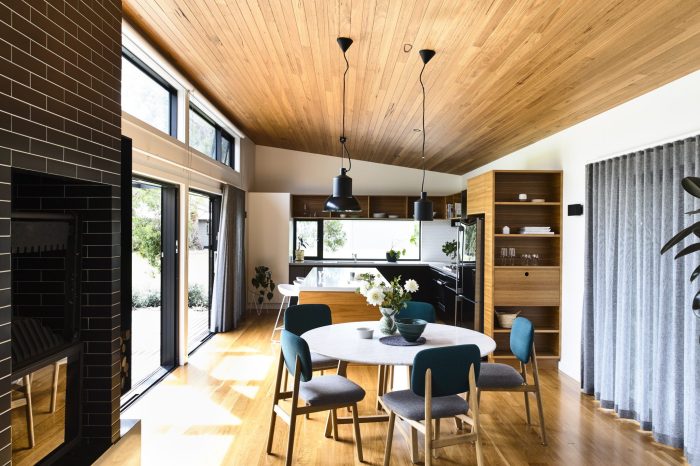
Emerging trends in eco-friendly construction are shaping the future of both residential and commercial buildings, emphasizing sustainability and environmental responsibility. As awareness of climate change and resource depletion grows, builders and developers are increasingly adopting practices that not only meet regulatory standards but also cater to a more eco-conscious clientele. This shift is not only beneficial for the planet but also offers a myriad of advantages for property owners and investors.
Emerging Trends in Commercial Construction
The commercial construction sector is witnessing a surge in eco-friendly practices that prioritize sustainability. Key trends include the integration of smart technologies, the use of renewable energy sources, and the implementation of green building certifications like LEED (Leadership in Energy and Environmental Design). These trends reflect a growing commitment to reducing the carbon footprint of commercial properties.
- Smart Technologies: Incorporating IoT (Internet of Things) devices for energy management allows buildings to optimize their energy consumption, reducing waste and costs.
- Renewable Energy: Many commercial buildings are now equipped with solar panels or wind turbines to generate clean energy, significantly decreasing reliance on fossil fuels.
- Green Roofs and Walls: These features not only enhance aesthetics but also improve insulation and reduce urban heat, contributing to energy efficiency.
- Sustainable Materials: Builders are increasingly using materials that are sourced locally or recycled, minimizing the environmental impact associated with transportation and production.
Benefits of Eco-friendly Building Practices
The advantages of eco-friendly building practices vary between residential and commercial properties. While both sectors benefit from sustainability, the scale and impact of these practices differ.
- Cost Savings: Both residential and commercial eco-friendly buildings can experience substantial savings on energy bills. For instance, a commercial property may save up to 30% on energy costs through efficient design and energy-efficient appliances.
- Market Value: Properties that prioritize sustainability often see an increase in market value. Research shows that green buildings can command higher rental and sale prices, appealing to environmentally conscious consumers.
- Health Benefits: Eco-friendly materials improve indoor air quality, leading to healthier living and working environments. This is particularly important in commercial spaces where employee well-being can directly influence productivity.
Significance of Green Real Estate
The role of green real estate in current market dynamics is increasingly pivotal, as investors and consumers alike are prioritizing sustainability in their purchasing decisions.
- Investment Appeal: Green buildings attract a growing number of investors who recognize the long-term financial benefits associated with sustainable properties.
- Regulatory Compliance: With governments worldwide imposing stricter regulations on energy efficiency and carbon emissions, green real estate positions itself as a proactive solution that meets these requirements.
- Brand Reputation: Companies that invest in eco-friendly properties enhance their brand reputation, fostering loyalty among consumers who value corporate responsibility.
“The transition to eco-friendly construction isn’t just a trend; it’s a necessity for a sustainable future.”
Final Review
In conclusion, embracing Eco-friendly home building materials is not just a trend but a vital step towards ensuring a sustainable future. As the construction landscape evolves, the integration of innovative and sustainable materials will not only meet the demands of environmentally conscious consumers but also enhance property values. The journey towards greener living is well underway, making it an exciting time for both builders and homebuyers.
Answers to Common Questions
What are eco-friendly home building materials?
These are materials that have a low environmental impact, such as bamboo, recycled steel, and reclaimed wood, which can be used in construction.
Why should I choose eco-friendly materials over traditional ones?
Eco-friendly materials often provide better energy efficiency, improve indoor air quality, and reduce waste, promoting a healthier living environment.
Do eco-friendly materials cost more?
While some eco-friendly materials may have a higher upfront cost, they can lead to savings in energy bills and maintenance over time.
How can I find eco-friendly materials for my home?
Look for suppliers that specialize in sustainable building products, check for certifications, and consider local resources and recycled materials.
What is the impact of green certifications on home value?
Homes with green certifications often have higher resale values and are more attractive to buyers who prioritize sustainability.


