
Buying vs renting a home is a crucial decision many face at some point in their lives. This topic dives deep into the financial implications, long-term benefits of homeownership, and the factors influencing your choice between the two options. With various aspects to consider, including the role of real estate agents, the appeal of new builds versus existing homes, and the nuances of real estate investments, this discussion promises valuable insights for anyone navigating the housing market.
From understanding the intricacies of foreclosures to exploring the benefits of energy-efficient homes, this overview will help you make an informed decision based on your personal circumstances and financial goals. Whether you’re a first-time buyer or considering a rental, we aim to equip you with the knowledge needed to choose wisely.
Buying vs Renting a Home
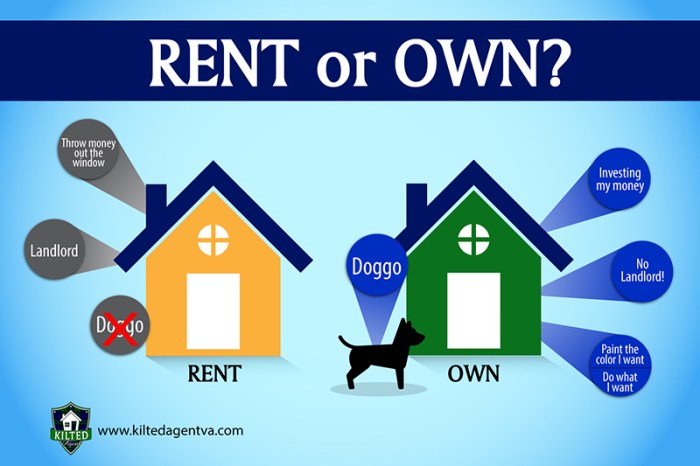
Deciding whether to buy or rent a home is a significant financial decision that can have lasting implications on your finances and lifestyle. Both options come with their own sets of advantages and disadvantages, which deserve careful consideration before making a commitment. Understanding the financial aspects, as well as the long-term benefits associated with each choice, can help you make a more informed decision.
Financial Implications of Buying vs Renting
The financial implications of buying versus renting a home vary widely based on individual circumstances, market conditions, and long-term goals. Homeownership typically requires a substantial upfront investment, including a down payment, closing costs, and various fees. However, the benefits of homeownership often encompass building equity over time and potential tax advantages.
- Equity Building: As you pay your mortgage, you gradually build equity in your home, which can appreciate in value over time. For example, if you purchase a home for $300,000 and its value appreciates to $400,000 over ten years, you’ve not only built equity but also gained a substantial return on your investment.
- Tax Deductions: Homeowners can often deduct mortgage interest and property taxes from their income taxes. This can lead to significant savings, especially in the early years of the mortgage when interest payments are higher.
- Stable Monthly Payments: Fixed-rate mortgages provide predictable monthly payments, making budgeting easier compared to rent, which can fluctuate based on market conditions.
In contrast, renting typically entails lower upfront costs and monthly expenses, with no long-term commitment. However, rent payments do not contribute to ownership or equity.
Long-term Benefits of Homeownership
Homeownership comes with several long-term benefits that can enhance financial stability and personal satisfaction. While renting provides flexibility, owning a home can offer stability and investment potential.
- Appreciation Potential: Historically, real estate tends to appreciate over time. For instance, in many urban areas, home values have increased by 3-5% annually, leading to significant long-term gains.
- Personalization and Control: Homeowners have the freedom to make renovations and modifications to their property, tailoring it to their tastes and needs, which renters often cannot do.
- Community Stability: Homeownership can lead to a stronger sense of community as homeowners are likely to stay in one place longer than renters, fostering relationships with neighbors.
Factors Influencing the Decision to Buy or Rent
Several factors influence the decision-making process regarding whether to buy or rent a home. Analyzing these factors can help individuals align their choices with their personal and financial goals.
- Financial Situation: Assessing savings, income stability, and credit scores is crucial. A stronger financial position may favor buying, while more modest finances may lean towards renting.
- Job Mobility: If you anticipate moving for career opportunities, renting may offer the flexibility needed without the burden of selling a home.
- Market Conditions: Local real estate market trends can impact the decision. In a buyer’s market with low prices, purchasing may be more appealing than in a seller’s market where prices are high.
“Real estate is not just a place to live; it’s an investment that can grow in value and provide long-term financial benefits.”
Understanding the nuances of buying versus renting can play a crucial role in shaping your financial future and achieving your lifestyle goals. Consider these financial implications, long-term benefits, and influential factors carefully to make the best decision for your circumstances.
Role of Real Estate Agents and Realtors
Navigating the real estate market can be both exciting and daunting. Whether you’re buying or renting a home, the role of real estate agents and realtors is invaluable. These professionals bring a wealth of knowledge and expertise that can significantly enhance your home-buying or renting experience.Real estate agents serve as the bridge between clients and the market. They not only have access to comprehensive listings but also possess insights into local neighborhoods, pricing trends, and legal requirements.
Their understanding of the intricacies of transactions ensures that you are well-informed and supported throughout the process.
Importance of Hiring a Real Estate Agent
Engaging a real estate agent when buying or renting a home provides numerous advantages. Their expertise is crucial in avoiding pitfalls and making informed decisions. Key benefits include:
- Market Knowledge: Agents possess detailed knowledge of local market conditions, helping you find properties that meet your needs and budget.
- Negotiation Skills: Skilled in negotiation, realtors advocate on your behalf, ensuring you get the best possible deal.
- Access to Resources: Agents have access to exclusive listings and comprehensive tools that can facilitate your search for the right property.
- Legal Expertise: Real estate transactions involve complex paperwork; agents ensure compliance with laws and regulations, minimizing legal risks.
Services Provided by Realtors in the Home Buying Process
Realtors offer a range of services that streamline the home buying process. Their contributions include:
- Property Search: They analyze your preferences and requirements, presenting you with suitable options that align with your goals.
- Open Houses: Agents organize and guide you through open houses, allowing you to explore properties firsthand.
- Market Analysis: Realtors provide comparative market analyses (CMAs) to determine fair pricing based on recent sales in the area.
- Transaction Coordination: They manage the timeline of the transaction, coordinating between various parties such as lenders, inspectors, and title companies.
Real Estate Agents in Rental Negotiations
When renting a home, agents play a pivotal role in negotiating lease terms that work for both parties. Their involvement can lead to more favorable outcomes in rental agreements. Key aspects include:
- Understanding Market Rates: Realtors analyze current market conditions to advise on appropriate rental prices, ensuring you don’t overpay.
- Lease Terms Negotiation: They negotiate important aspects of the lease, such as security deposits, maintenance responsibilities, and potential rent increases.
- Conflict Resolution: Should disputes arise, agents act as mediators, helping to resolve issues amicably and efficiently.
- Local Insights: Agents can provide insights into neighborhood amenities and potential issues, aiding in your decision-making process.
Understanding Real Estate Investments
Investing in real estate has become a popular avenue for wealth creation and financial stability. It intertwines closely with the decision of buying versus renting a home, as both options can yield different financial outcomes based on market conditions and individual circumstances. Understanding the fundamentals of real estate investments can help potential homeowners and renters make informed choices that align with their financial goals.Investing in real estate typically involves purchasing properties to generate income, either through rental income or appreciation in property value.
For individuals considering whether to buy or rent, evaluating these investment opportunities becomes key. The choice between renting and owning can significantly affect long-term financial health, investment growth, and personal lifestyle choices.
Evaluating Potential Rental Properties versus Owned Properties
When assessing potential investments, the evaluation criteria for rental properties and owned properties differ in several significant ways. Understanding these can aid in making well-informed decisions. For rental properties, one should consider the following factors:
- Location: Rental properties in desirable neighborhoods often attract reliable tenants and higher rental income.
- Cash Flow: Analyze the monthly income generated from rent against expenses such as mortgage, property management, and maintenance costs.
- Occupancy Rates: Investigate historical and current occupancy rates to gauge demand for rentals in the area.
- Property Condition: Assess the state of the property to estimate immediate repairs or renovations needed that could impact cash flow.
When it comes to owned properties, the focus shifts to:
- Appreciation Potential: Evaluate the potential for property value increase over time, taking into account market trends and economic conditions.
- Equity Building: Homeownership allows for equity accumulation through mortgage payments, contributing to overall net worth.
- Tax Advantages: Explore tax benefits associated with homeownership such as mortgage interest deductions and property tax deductions.
Risks and Rewards of Real Estate Investing
Engaging in real estate investing carries both significant risks and notable rewards. Understanding these components can help investors navigate the complexities of the market effectively.The rewards of real estate investing include:
- Passive Income: Rental properties can provide a steady stream of income over time, contributing to financial stability.
- Appreciation: Real estate generally appreciates in value, offering potential for substantial profits upon sale.
- Diversification: Real estate investment diversifies an investment portfolio, reducing overall financial risk.
Conversely, the risks include:
- Market Fluctuations: Real estate values can decline due to economic downturns, affecting investment viability.
- Property Management Issues: Being a landlord can involve challenges such as finding tenants, maintenance issues, and dealing with legal matters.
- High Initial Costs: Upfront costs for purchasing property can be significant, including down payments, closing costs, and repairs.
“Investing in real estate requires thorough research and a clear understanding of both the potential rewards and inherent risks.”
Building a Home vs. Buying Existing Properties
When considering the journey of homeownership, one crucial decision is whether to build a custom home or to purchase an existing property. Each option presents unique advantages and challenges that can significantly affect your lifestyle, finances, and long-term satisfaction. Understanding these differences can help you make an informed choice that aligns with your personal goals and circumstances.Building a custom home allows for a level of personalization that is seldom found in existing properties.
You can choose everything from the layout and materials to the finishes, ensuring your home reflects your tastes and needs. However, this process comes with its own set of complexities, including potential delays and cost overruns. On the other hand, purchasing an existing property can provide immediate occupancy and often comes with established landscaping and community amenities. The choice ultimately hinges on your lifestyle preferences, budget, and timeline.
Benefits of Building a Custom Home
Building a custom home offers distinct advantages that can enhance your living experience. Customization is the primary benefit, allowing homeowners to create spaces tailored to their lifestyle. Here are some key considerations that highlight the benefits:
- Personalized Design: Homeowners can work closely with architects and builders to design a home that meets their specific needs and preferences.
- Energy Efficiency: New construction often incorporates the latest energy-efficient technologies, which can lead to lower utility bills and a smaller carbon footprint.
- Modern Amenities: Homeowners have the freedom to include contemporary features and smart home technologies that may not be present in older properties.
- Warranties and New Condition: A newly built home typically comes with warranties on major systems and appliances, offering peace of mind to the homeowner.
Costs and Timeline of New Construction vs. Buying Existing Properties
When weighing the costs and timelines of building a home versus buying an existing property, it’s crucial to consider several financial and logistical factors.
- Construction Costs: Building a home can vary widely in cost based on location, materials, and design. On average, construction costs can range from $100 to $200 per square foot, depending on the quality of materials and labor.
- Land Acquisition: Purchasing a lot is an additional expense that varies by area. Urban locations tend to be pricier compared to rural settings.
- Timeline: Building a home often takes six months to two years, whereas buying an existing property can allow for immediate occupancy, subject to closing times.
- Hidden Costs: New construction may come with costs like impact fees, utility connections, and landscaping that can add to the budget.
Considerations for Selecting a Lot or Location
Choosing the right lot or location is critical when building a home, as it influences both your quality of life and future resale value. Several factors come into play:
- Proximity to Amenities: Consider the convenience of nearby schools, shopping centers, public transport, and recreational facilities.
- Community Development: Research the development plans for the area to ensure it aligns with your long-term living goals.
- Environmental Factors: Assess the land for potential hazards such as flooding or soil stability, which can impact construction and safety.
- Neighborhood Dynamics: Evaluate the character of the neighborhood, including the demographics and community vibe, as it will affect your lifestyle.
“The right location can significantly appreciate in value, making it one of the most important investments you will make.”
Examining Real Estate Foreclosures and Condominiums
The landscape of real estate offers a variety of options for potential homebuyers and investors, including foreclosures and condominiums. Understanding the intricacies of these choices is essential for navigating the market effectively. This segment delves into the pros and cons of purchasing foreclosures versus traditional homes, the unique attributes of condominiums compared to single-family homes, and the financial advantages of buying foreclosures for real estate investors.
Pros and Cons of Purchasing Foreclosures
Foreclosures can be an attractive option for homebuyers and investors alike, but they come with their own set of advantages and disadvantages. Analyzing these aspects can help potential buyers make informed decisions. Advantages of Purchasing Foreclosures:
Lower Purchase Price
Foreclosed homes are often sold below market value, allowing buyers to save money or acquire properties they might not afford otherwise.
Potential for Profit
Investors can renovate foreclosures and resell them at a higher price, leading to substantial profits.
Less Competition
Many buyers shy away from foreclosures due to the perceived risks, resulting in reduced competition and better negotiation power for savvy purchasers. Disadvantages of Purchasing Foreclosures:
Condition of the Property
Foreclosed homes may require extensive repairs, which can incur additional costs and time.
Complex Purchase Process
The buying process for foreclosures can be complicated, often involving bidding wars and legal hurdles.
Lack of Disclosure
Sellers of foreclosed properties may not provide full disclosure about the home’s condition, leaving buyers vulnerable to hidden issues.
Unique Attributes of Condominiums
Condominiums stand out from single-family homes due to their distinct structure and ownership models. Understanding these unique characteristics can inform housing choices. Key Attributes of Condominiums:
Shared Amenities
Condos often come with communal facilities such as pools, gyms, and clubhouses, which can enhance the living experience.
Maintenance and Management
Many condominiums have homeowners associations (HOAs) that manage maintenance and repairs, providing convenience for residents who prefer a low-maintenance lifestyle.
Location Benefits
Condominiums are frequently situated in urban areas, offering proximity to shopping, dining, and entertainment options.
Financial Advantages of Buying Foreclosures for Real Estate Investors
Investors seeking opportunities in the real estate market may find foreclosures particularly appealing due to various financial advantages.
Equity Building
Acquiring a foreclosure at a low price can provide immediate equity, which can be leveraged for future investments.
Higher Rental Yields
Renovated foreclosures can attract higher rental prices, leading to increased cash flow for investors.
Tax Benefits
Real estate investors can benefit from tax deductions on mortgage interest and property depreciation, enhancing their overall investment returns.
“Investing in foreclosures offers a unique opportunity to maximize returns, particularly when approached with thorough due diligence and market understanding.”
Green Real Estate Considerations
The growing awareness of environmental issues has led to an increased significance of green building practices in the real estate market. As more prospective homeowners and renters prioritize sustainability, understanding the implications of green real estate becomes essential. This segment explores the significance of adopting eco-friendly building practices, the advantages of energy-efficient homes, and how these factors can influence market values and investment opportunities.
Significance of Green Building Practices
Green building practices are designed to minimize the environmental impact of construction and promote sustainable living. These practices often include the use of renewable materials, efficient water usage, and enhanced indoor air quality. By integrating such practices into new home purchases, buyers can make a substantial difference in their ecological footprint. The trend towards green building reflects not only a commitment to environmental stewardship but also a growing consumer demand for homes that provide long-term benefits.
Benefits of Energy-Efficient Homes
Energy-efficient homes offer numerous advantages for both renters and buyers, making them an attractive option in today’s market.
- Lower Utility Bills: Energy-efficient homes are designed to consume less energy, leading to significant reductions in monthly utility costs.
- Increased Comfort: Improved insulation and energy-efficient appliances contribute to a more comfortable living environment, maintaining consistent temperatures throughout the year.
- Health Benefits: Homes built with green practices often include better ventilation systems, reducing indoor air pollutants and promoting healthier living conditions.
- Tax Incentives: Many regions offer tax breaks and incentives for energy-efficient home purchases or upgrades, further enhancing their appeal.
- Resale Value: As energy efficiency becomes increasingly prioritized, homes equipped with these features may appreciate in value more rapidly than conventional properties.
Impact on Market Values and Investments
The integration of green building practices and energy efficiency in real estate is also altering market dynamics and investment strategies.
- Increased Demand: As buyers become more environmentally conscious, properties that are certified as green or energy-efficient are seeing a rise in demand, often commanding higher prices.
- Investment Returns: Properties that incorporate sustainable features often yield better long-term financial returns, making them attractive options for real estate investors.
- Market Differentiation: In competitive real estate markets, having green features can distinguish properties, appealing to a broader demographic of buyers and renters.
- Future-Proofing: As energy regulations tighten, investing in green real estate can safeguard against potential future costs associated with compliance and renovations.
“The shift towards green real estate is not just a trend; it represents a fundamental change in how we value and interact with our living spaces.”
Home Staging and its Impact on Selling
Home staging plays a crucial role in the real estate market, influencing how quickly a property sells and at what price. It involves preparing a home for sale in a way that highlights its strengths, minimizes its weaknesses, and appeals to potential buyers. With the right staging techniques, homes can create a lasting impression and foster emotional connections that lead to offers.Effective home staging requires a strategic approach, focusing on both aesthetics and functionality.
The goal is to allow potential buyers to envision themselves living in the space. This can be achieved through several methods, which can significantly elevate the appeal of a property.
Importance of First Impressions
First impressions matter greatly in real estate. When potential buyers walk through a home, they form opinions within seconds. Staging helps in setting the mood and tone of the property. A well-staged home feels inviting and livable, often making the difference between a “just okay” showing and one that captivates buyers.
Methods for Effective Home Staging
Implementing effective staging techniques can enhance the attractiveness of a home. Consider the following methods:
- Declutter and Depersonalize: Remove personal items and excess clutter to allow buyers to envision their own belongings in the space.
- Neutral Color Palette: Use soft, neutral colors on walls and furnishings to create an inviting atmosphere that appeals to a broader audience.
- Strategic Furniture Arrangement: Arrange furniture to maximize flow and space, ensuring rooms feel open and functional.
- Enhance Lighting: Utilize natural light by opening curtains and using mirrors to reflect light, creating a warm and welcoming environment.
- Outdoor Staging: Ensure the exterior is inviting by maintaining landscaping, adding seating, or placing potted plants to enhance curb appeal.
Influence on Rental Property Appeal and Pricing
Home staging is not only beneficial for properties intended for sale but can also enhance the appeal and pricing of rental properties. A well-staged rental can attract more prospective tenants and potentially command higher rent. Effective staging for rental properties includes:
- Targeted Aesthetic: Staging should reflect the target demographic of potential renters, whether they are professionals, families, or students.
- Highlight Functional Spaces: Emphasizing areas such as home offices or entertainment spaces can attract renters looking for specific amenities.
- Showcase Storage Solutions: Smartly staged storage areas can illustrate the practicality of the space, appealing to tenants who prioritize organization.
Homes that are staged sell 73% faster than non-staged homes, according to the National Association of Realtors.
The impact of staging is evident in both sale and rental markets, making it an essential strategy for anyone looking to maximize the value of their property.
Exploring Commercial Property and Construction
Investing in commercial real estate is a dynamic field that differs significantly from residential investments. While residential properties focus on living accommodations, commercial properties cater to businesses and income-generating activities. This distinction affects everything from property management to financing, making it crucial for investors to understand these fundamental differences.The process of commercial construction is notably different from residential building in several ways.
Commercial projects typically require more extensive planning and regulatory compliance, as they often involve larger structures with specific zoning and use requirements. Financing for commercial construction can also be more complex, with lenders scrutinizing the potential return on investment and the experience of the developer more closely than they would for a residential property.
Differences Between Residential and Commercial Real Estate Investments
The disparities between residential and commercial real estate investments are pivotal for potential investors. These differences include:
- Revenue Generation: Commercial properties often provide higher returns due to longer lease terms and multiple tenants, while residential properties generally rely on single-family occupants.
- Market Analysis: Commercial investments require a deeper understanding of local market dynamics, business trends, and economic indicators compared to residential markets.
- Property Management: Managing commercial properties can be more complex, as it involves handling business-specific requirements and maintenance for multiple tenants.
- Financing Structures: Commercial financing may involve higher down payments and more stringent credit requirements compared to residential mortgages.
Commercial Construction Process Compared to Residential Building
The commercial construction process is characterized by its scale and complexity. Key aspects of this process include:
- Project Planning: Commercial projects often require extensive feasibility studies and a detailed business plan to ensure profitability and compliance with local regulations.
- Design and Architecture: The design phase for commercial buildings must consider factors like functionality, safety codes, and the potential for future expansion.
- Permitting and Approvals: Obtaining the necessary permits for commercial construction can involve multiple governmental agencies, resulting in a longer timeline compared to residential projects.
- Construction Management: Large-scale commercial projects often require professional project managers to oversee the construction process, ensuring it stays within budget and on schedule.
Profitability of Investing in Commercial Properties
Investing in commercial real estate can be highly profitable, with several factors contributing to this potential. The advantages include:
- Higher Cash Flow: Commercial properties often generate more income than residential properties due to the possibility of multiple tenants and longer lease agreements.
- Tax Benefits: Investors can take advantage of depreciation deductions and other tax incentives unique to commercial real estate.
- Market Growth: As cities expand and businesses grow, the demand for commercial space increases, leading to potential appreciation in property values.
- Diversification: Adding commercial properties to an investment portfolio can provide balance and reduce overall risk compared to solely investing in residential properties.
Conclusive Thoughts
In summary, the choice between buying vs renting a home involves weighing various financial implications, personal preferences, and market conditions. By understanding the pros and cons of each option, along with the assistance of real estate professionals, you can navigate your housing journey with confidence. Ultimately, whether you build, buy, or rent, the most important factor is aligning your choice with your lifestyle and long-term objectives.
Questions Often Asked
What are the tax benefits of buying a home?
Homeowners may benefit from deductions on mortgage interest and property taxes, which can significantly reduce their taxable income.
How do I know if I should buy or rent?
Consider your financial situation, job stability, lifestyle preferences, and how long you plan to stay in one place to determine the best option for you.
Are there hidden costs in home buying?
Yes, potential hidden costs include closing costs, maintenance, property taxes, and homeowners insurance, all of which should be factored into your budget.
What makes a rental property a good investment?
A good rental property typically has a positive cash flow, is located in a desirable area, and requires minimal maintenance, ensuring a stable return on investment.
Can I negotiate rent prices?
Yes, negotiating rent is common, especially if you have a strong rental history or know the local market well.


